A collection of wildlife images from the 19 February 2025 tram tour of Pelican Island National Wildlife Refuge (PINWR). We saw additional bird species than shown here but getting images of them was not practical given either the lighting or the distance; meaning the birds were just too far away. This is especially true, unfortunately, of the Roseate Spoonbills and White Pelicans seen at Joe’s Overlook.

The two trams were filled up for the tour, which was led by refuge volunteers Dick & Lorna Thibeault who provided information on PINWR’s unique position being the first wildlife refuge in the U.S. Fish and Wildlife Service’s National Wildlife Refuge System.
I brought two cameras on the tour, the second being my pocket camera that finally gave up the ghost after this image was taken after many years of faithful service ruining my plans for interspersing scenery shots throughout this post.
The wildlife images below are in chronological order in which they were encountered.

An Eastern Gray Squirrel seen while walking around the parking lot while waiting for the tour to begin.
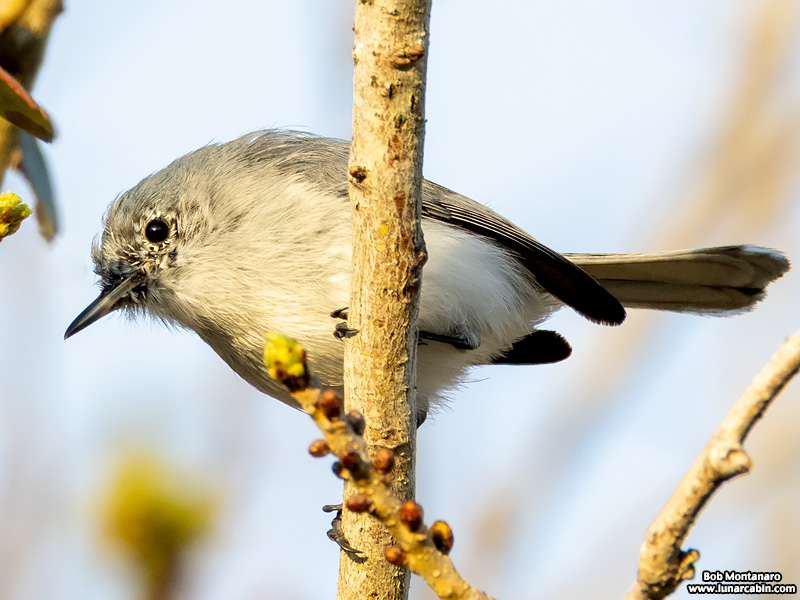
A Blue-gray Gnatcatcher, the first of three such individuals seen on the tour. The first seen while waiting for the tour to begin, the other two seen in the mangroves along the Centennial Trail Boardwalk.

With its distinctive cat-like “meow” call being heard from the shadows of the dense foliage along the tour route, this Gray Catbird was one of the few to actually show itself, again while waiting for the tour to begin.
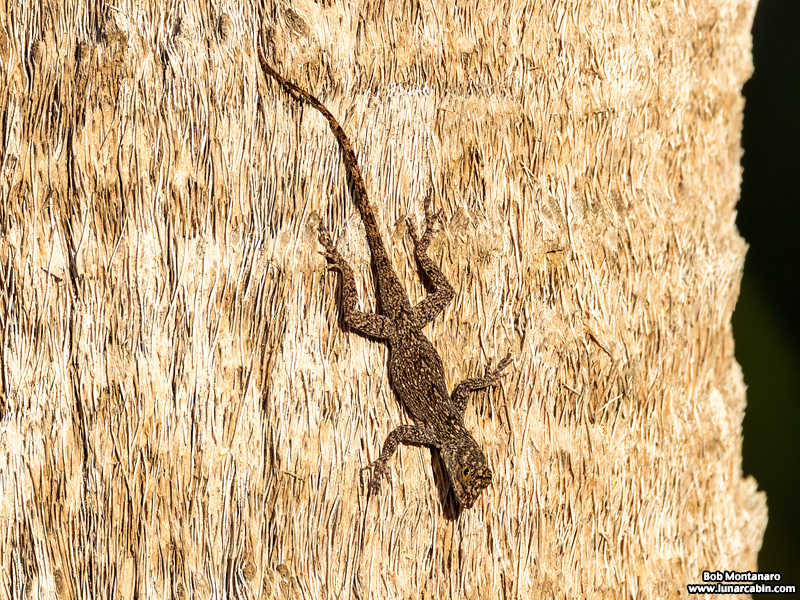
A Cuban Brown Anole warms up in the rays of the rising Sun seen while listening to Dick Thibeault give an introduction to PINWR and the Refuge system at the start of the tour.

An Atala Butterfly, once considered extinct due to over-harvesting of its host plant, but now considered rare with limited distribution along Florida’s south-east coast. The Atala’s host plant is the Coontie, a Florida native cycad that has been around since the time of the dinosaurs. Part of the parking lot at the refuge where the tram tour begins is landscaped with Coontie around the restrooms, which is where I saw two Atala’s, photographing this one.

The trams are now on the move traveling around Pelican Island National Wildlife Refuge. At this stop we saw this Pied-billed Grebe in the pond alongside the Centennial Trail.
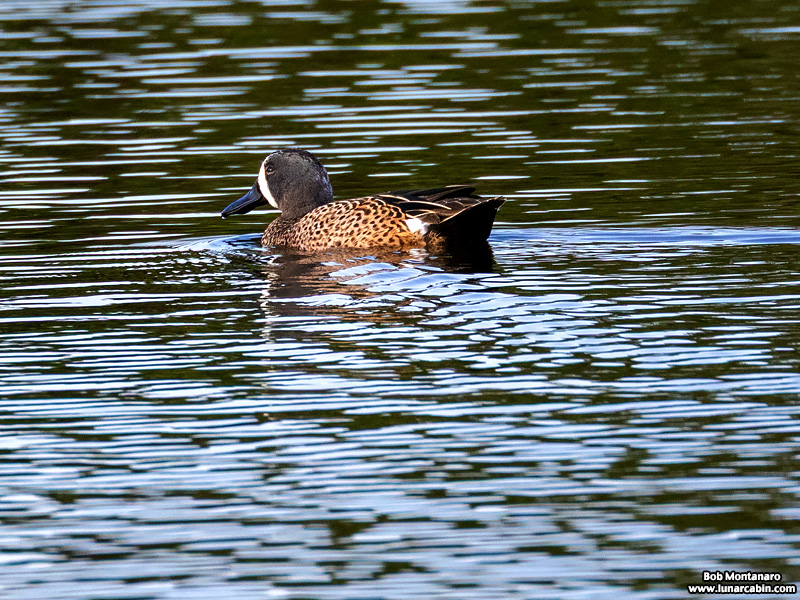
We saw only a handful of ducks on the tour, including this Blue-winged Teal in the pond along the Centennial Trail. Note the crescent Moon-shaped white mark on its dark-colored head identifying this as a male Blue-winged Teal. Females lack these features and are considerably drabber in appearance.

A watery flock of Pied-billed Grebes swimming across the pond.

What looks to be a mother Raccoon with one of her offspring forage along the pond’s shoreline. It’s natural for Raccoons to be out in daylight in remote areas, only hiding away and coming out at nighttime in urban areas where they are trying to keep out of sight of people.
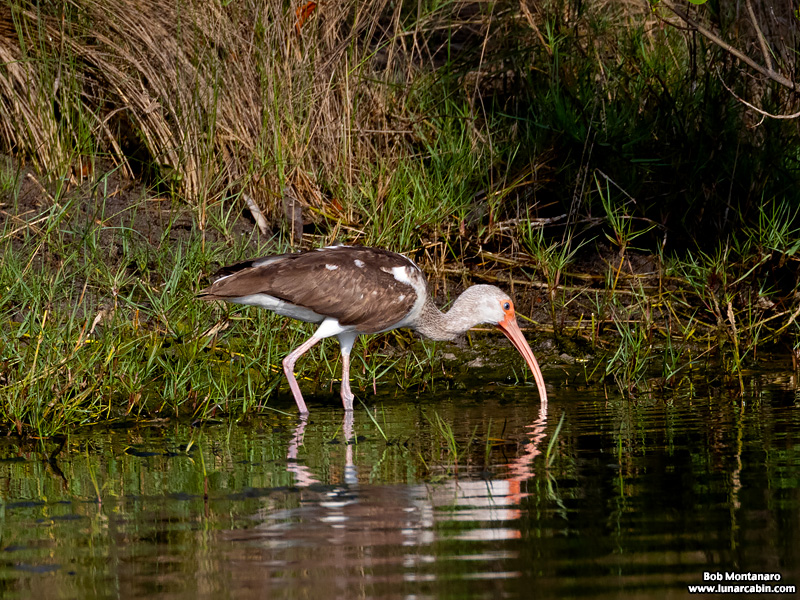
A juvenile White Ibis forages along the pond’s shoreline. The juvenile’s brown feathers will molt to white as it matures.
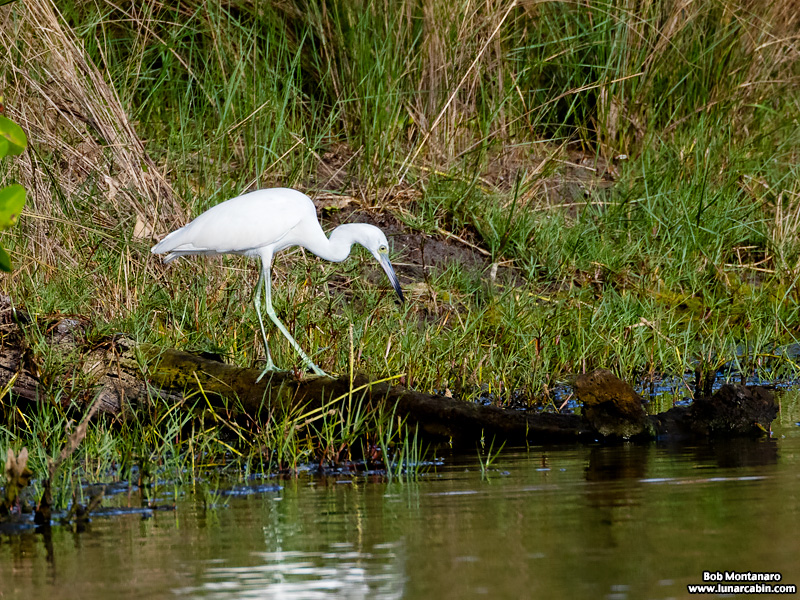
A juvenile Little Blue Heron. This juvenile’s white feathers will turn blue as it matures.

An assortment of PINWR species making use of the pond include from left: a juvenile Little Blue Heron, a Tarpon [a large fish] splashing in the water, above that a Tricolored Heron, a Pied-billed Grebe, a Blue-winged Teal, and more Grebes.

Its nesting season for the Brown Pelicans and this individual was trying to break off branches to build its nest with as seen along the Centennial Trail Boardwalk.

After a lot of effort, the Brown Pelican was able to only break off this small branch, which it then flew back to its nest on Pelican Island out in the Indian River Lagoon.

A few Wood Storks were also engaged in the same activity near where the Pelican was working.
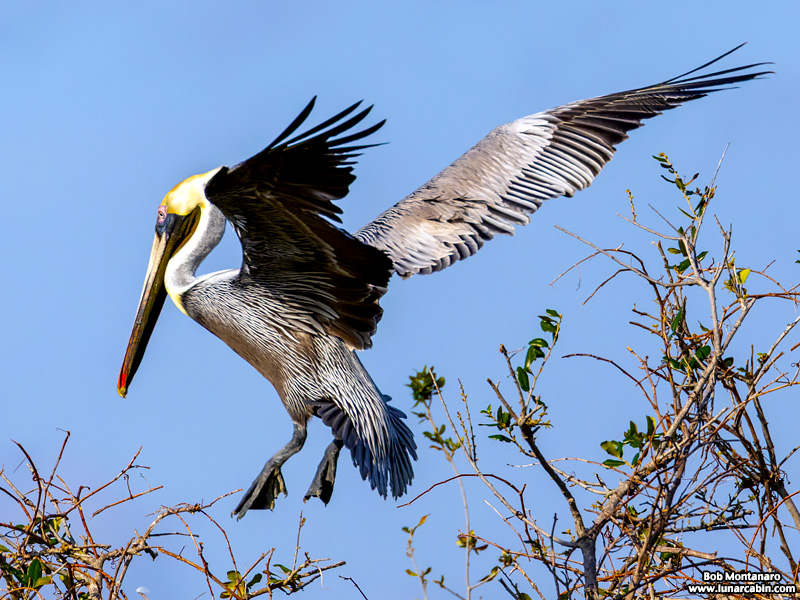
A Brown Pelican returns to try again to collect sticks for its nest.

A Brown Pelican wings by as seen from the observation tower at the end of the Centennial Trail overlooking the Indian River Lagoon and Pelican Island.

A Mangrove Buckeye butterfly seen along the Joe Michael Memorial Trail while stopped for an explanation about the mosquito impoundments at PINWR.

An adult White Ibis seen in the mosquito impoundment from Joe’s Overlook along the Joe Michael Memorial Trail.
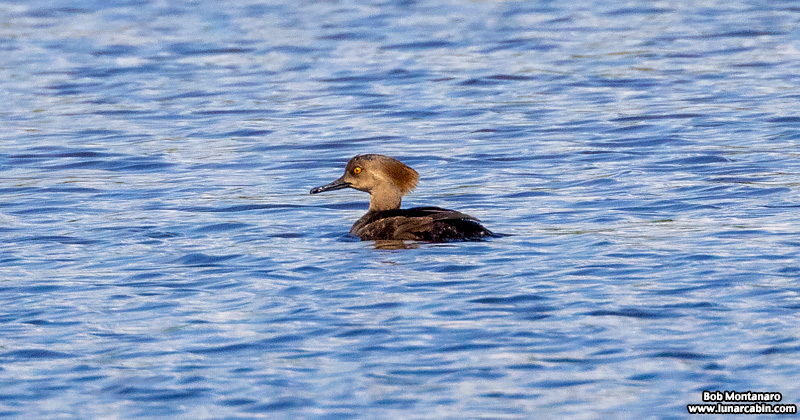
In another PINWR pond we saw what appeared to be a male Hooded Merganser in its first winter non-breeding plumage.

Great Egret foraging in the last pond stop of the tour.

The last bird of the trip seen at a distance – an Osprey, the venerable Fish Hawk, with the leftovers of a fish dinner in its talons.
Thank you to Pelican Island National Wildlife Refuge and its extraordinary volunteers Dick & Lorna Thibeault for the tram tour.
Categories: Nature
 Range Tracking