St. Sebastian River Preserve State Park (SSRPSP) hosted a field trip for Pelican Island Audubon Society to see the Red-cockaded Woodpecker (RCW) that is listed as a threatened species under the Endangered Species Act due to habitat loss.
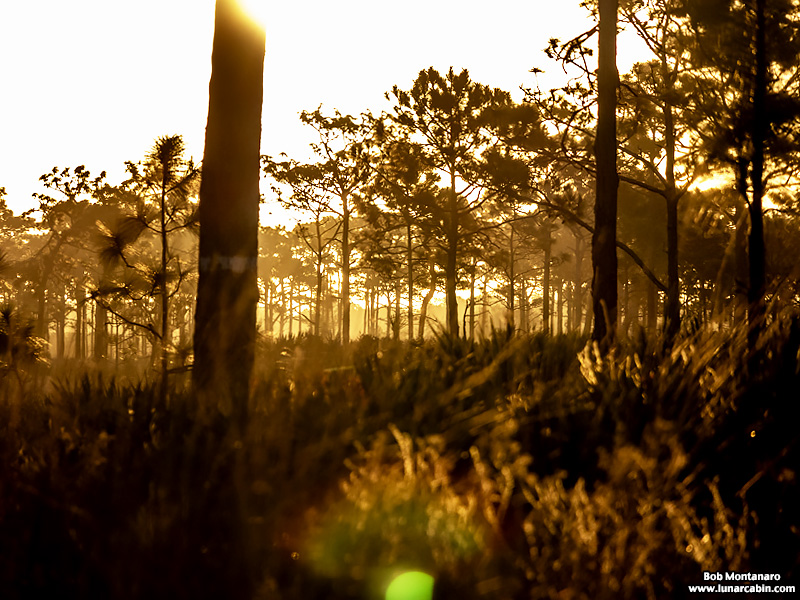
To reach the family of Red-cockaded Woodpeckers (RCW) selected for observation during the visit meant a five mile ride in the dark jostling atop a swamp buggy.
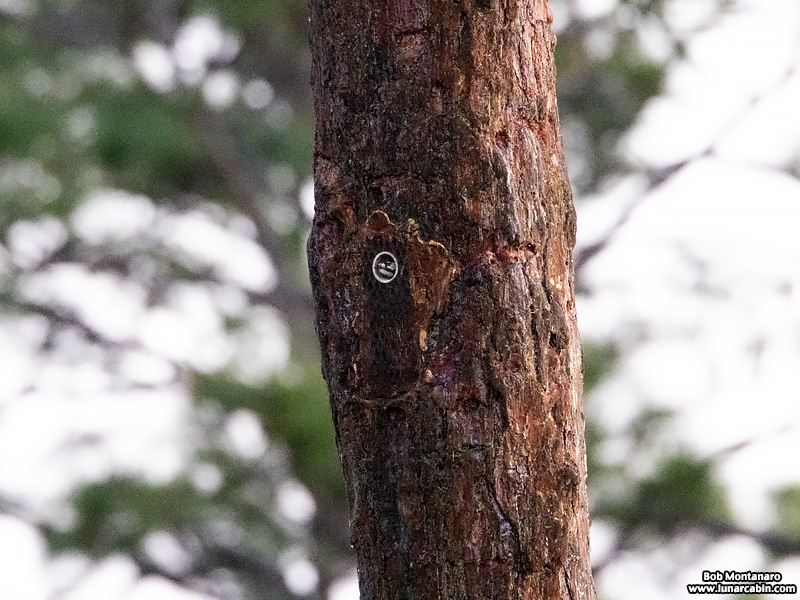
The RCW site must be reached before sunrise to afford any chance of seeing the elusive birds. The best opportunity is when they exit their roost cavities, foraging briefly around the area before heading off for the day. As dawn approaches, the little head of an RCW can be seen peeking from an artificial nest cavity in a pine tree.
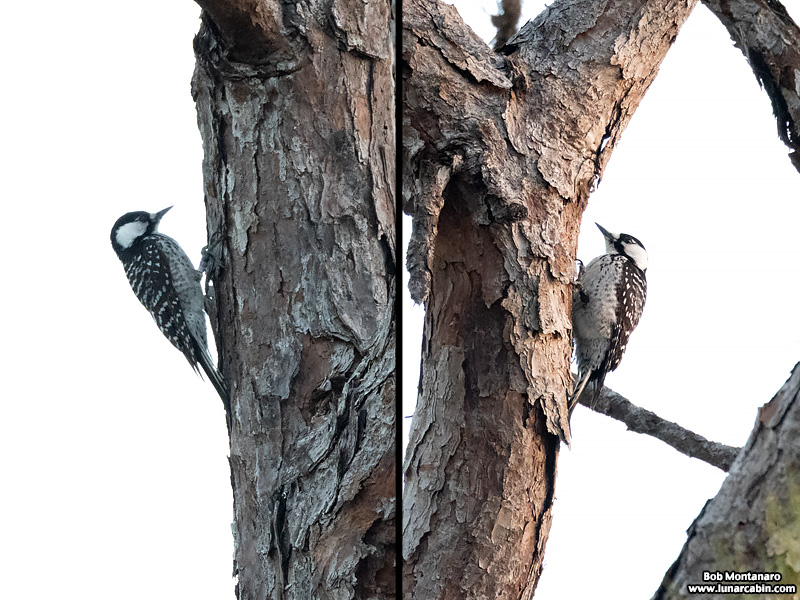
It is hit or miss trying to photograph the birds. The brief window from the time the birds exit their cavities to when they leave for the day is generally done just before sunrise leading to real challenges trying to get good exposures.
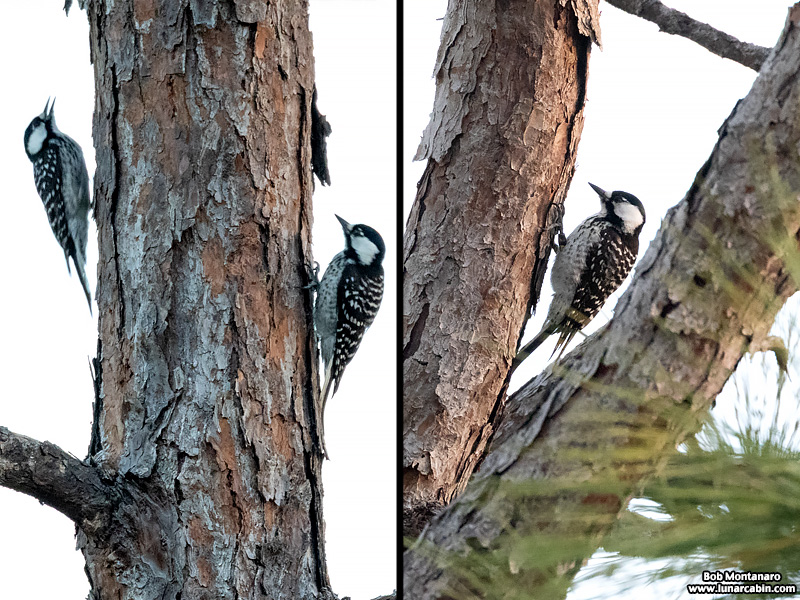
The small size of the bird also makes them a challenging photo subject. Sometimes you can get lucky if some of the birds hang around at first light and end up in a tree near the camera – but don’t depend upon it.
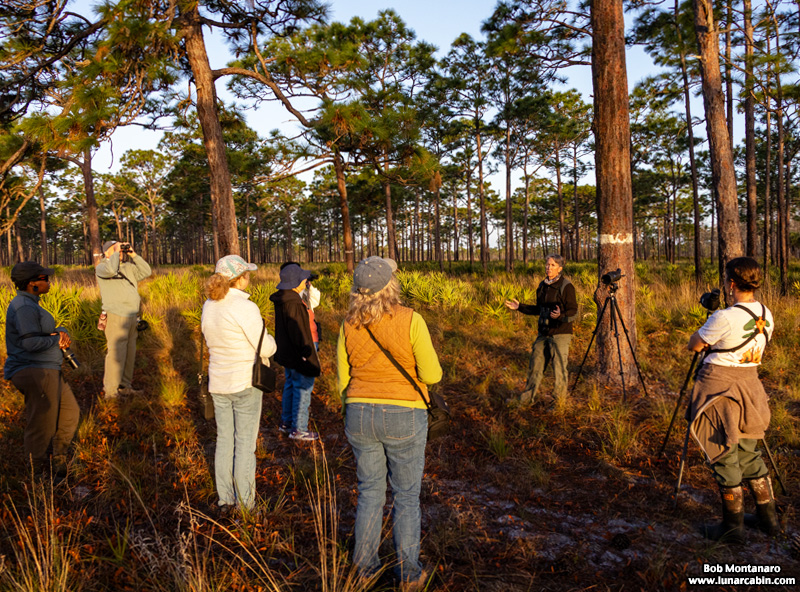
SSRPSP Environmental Specialist Samantha McGee explains the RCW’s life history and its habitat needs. White banded trees host a RCW cavity.
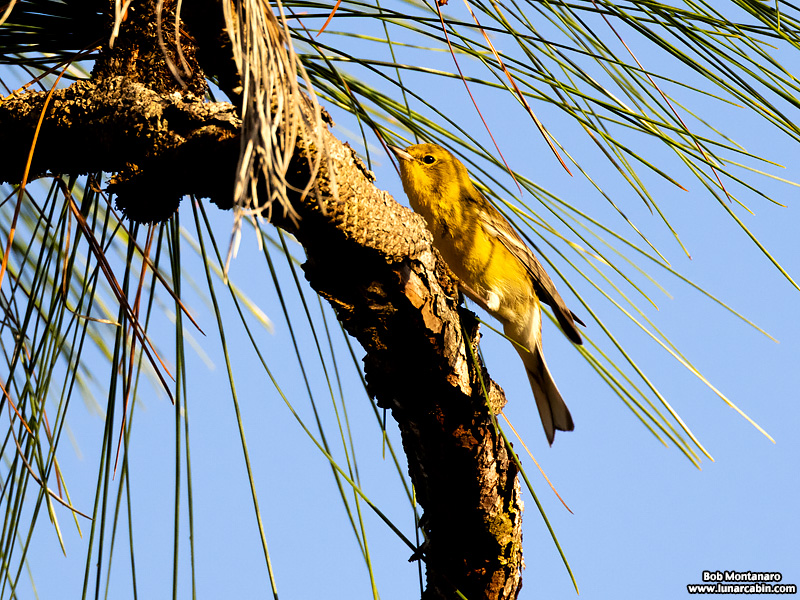
A chance encounter with a Yellow Warbler.
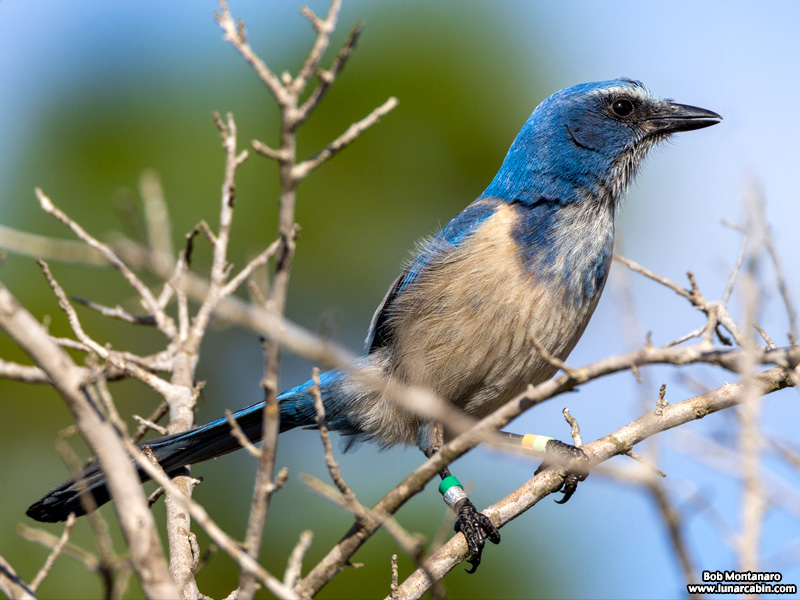
The endemic Florida Scrub-jay also calls SSRPSP home due to the availability of scrub habitat in the park.
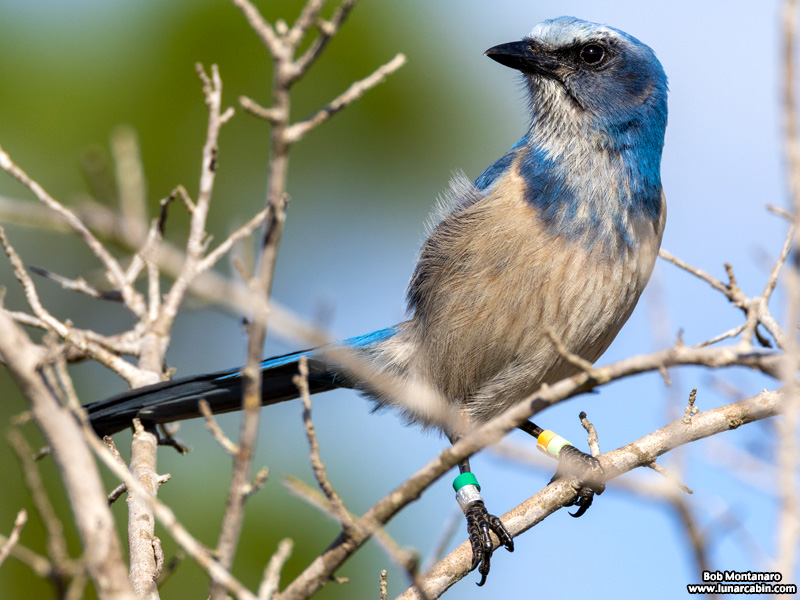
The Florida Scrub-jay is another bird threatened by habitat loss. Like the RCW, the Scrub-jays are banded so the population can be closely monitored.
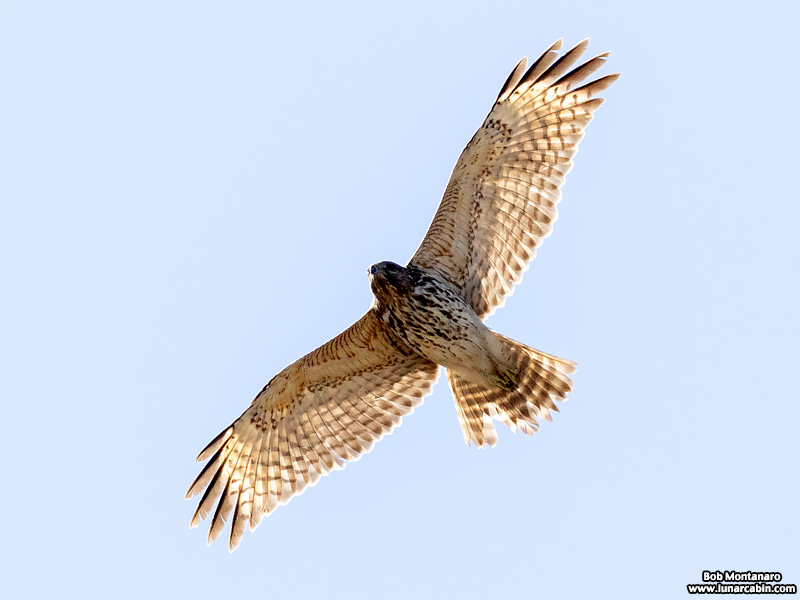
A hawk wheels around overhead.
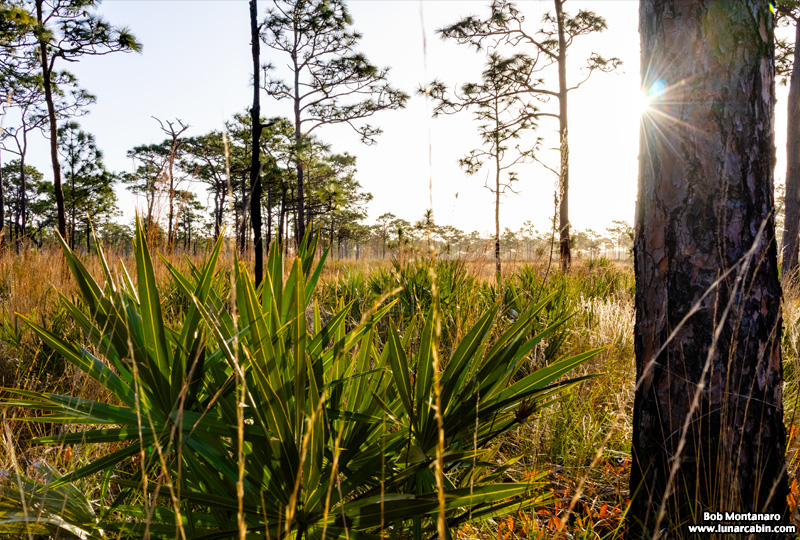
SSRPSP is comprised of almost 23,000-acres including more than 74 protected species of plants and animals.
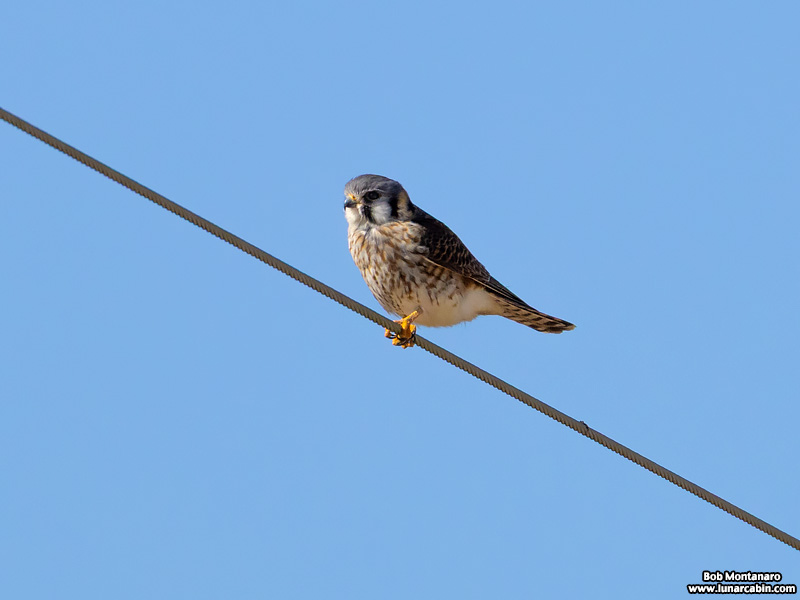
American Kestrels are a common sight on the power line running along the main road in the park. It makes a perfect perch for watching out for prey below.
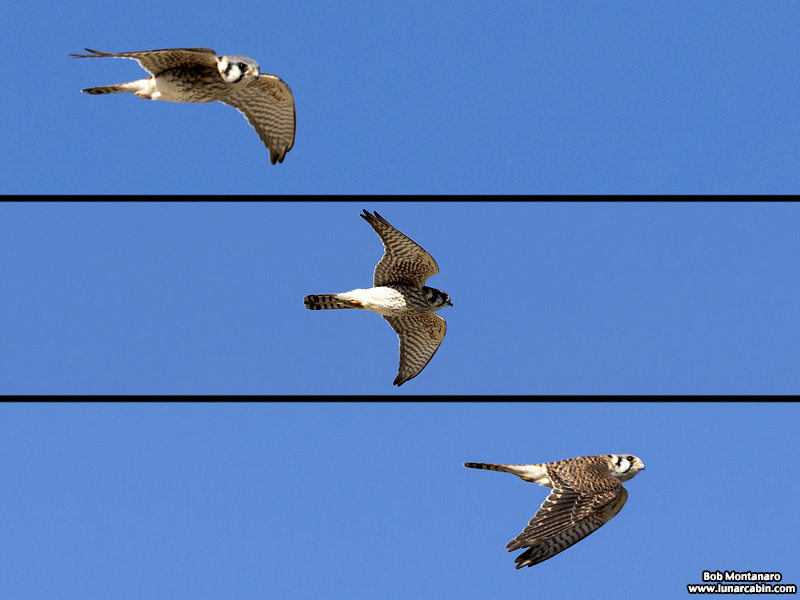
The Kestrel took flight when the noisy swamp buggy went by but soon returned to its perch on the power line.
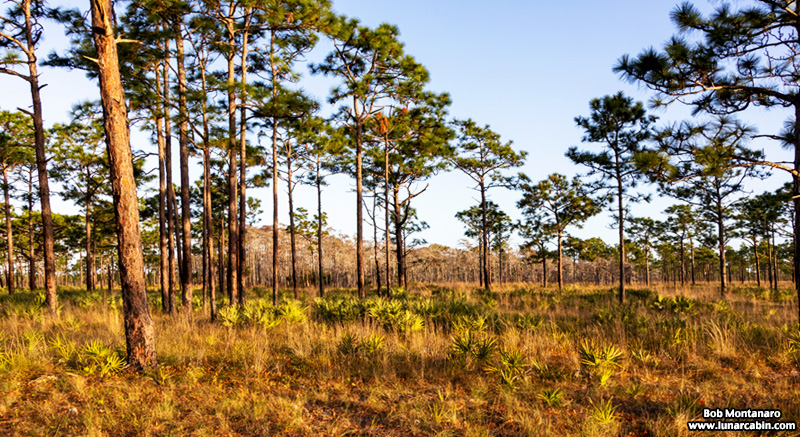
From the SSRPSP map brochure: “During the Second Seminole War, the Hernandez-Capron Trail was built to link St. Augustine with Fort Pierce at St. Lucie. After the war, the new road allowed settlers to move into the Brevard/Indian River area. Ranchers used the road to move cattle until the 1970s.
Around 1889, the Herndon family settled this land. Their homestead was burned in the early 1940s. Sometime after 1895, the Carlton family built a home in the area. That was destroyed in the 1930s. Other families have built homesteads here, but none remain. The land has been used for growing citrus, ranching, turpentining and logging. The state began acquiring land in 1995.
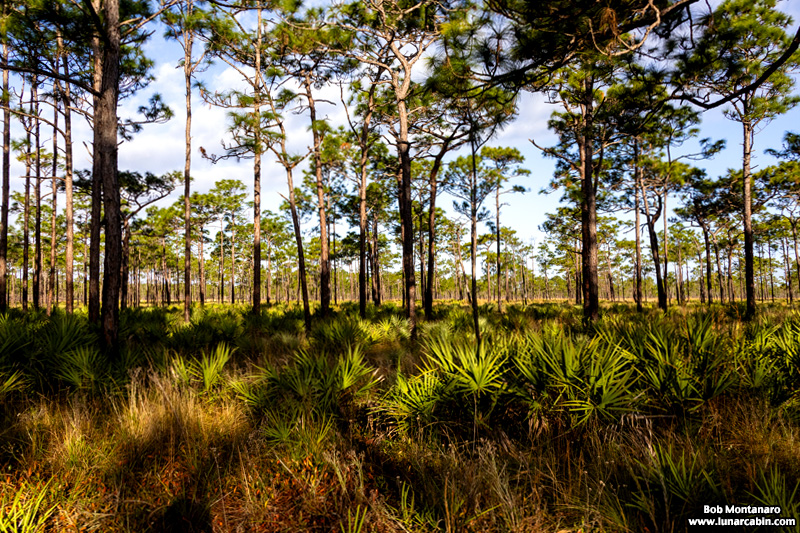
St. Sebastian River Preserve State Park protects the open grassy forests of Longleaf pine, wiregrass and saw palmetto that were once commonplace throughout Florida. The pine flatwoods form a backdrop for other biological communities, including cypress domes [one is visible in the image above through the trees], scrubby flatwoods, scrub, sandhills and a beautiful strand swamp.”
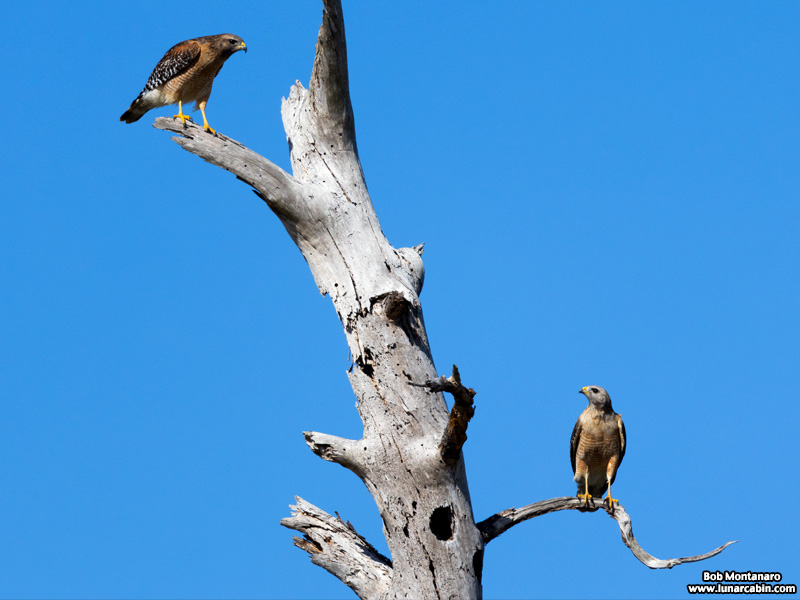
The appearance of two Red-shouldered Hawks was a pleasant surprise to end the trip.
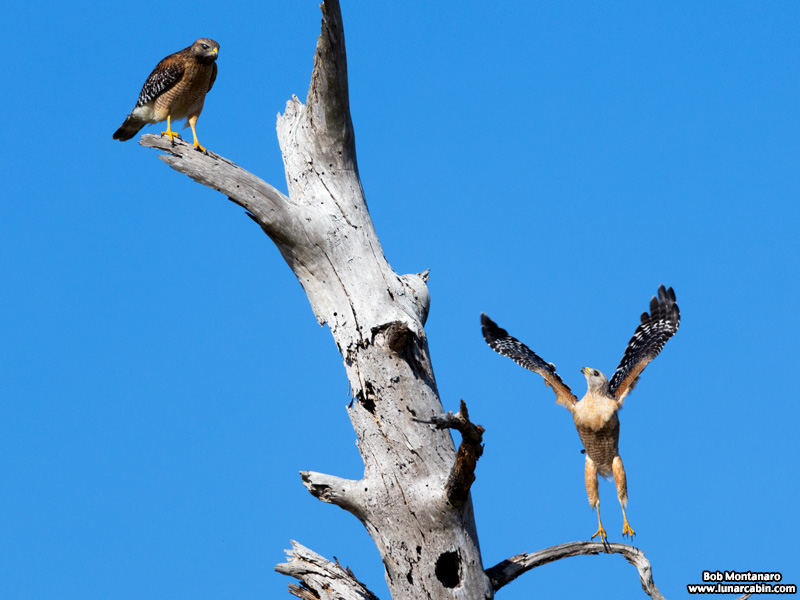
They had something else in mind . . .
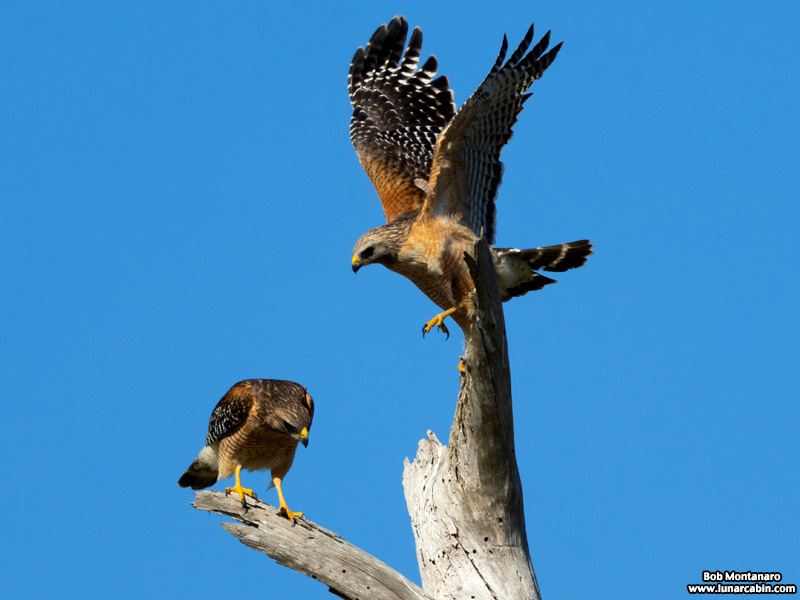
. . . that included a group of captivated birders.
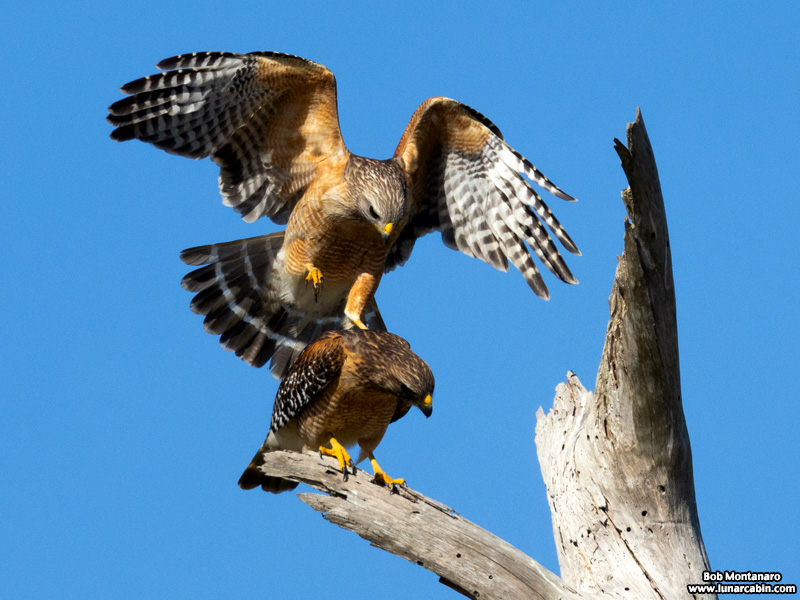
Without giving any thought to the watching birders, the two hawks mated.
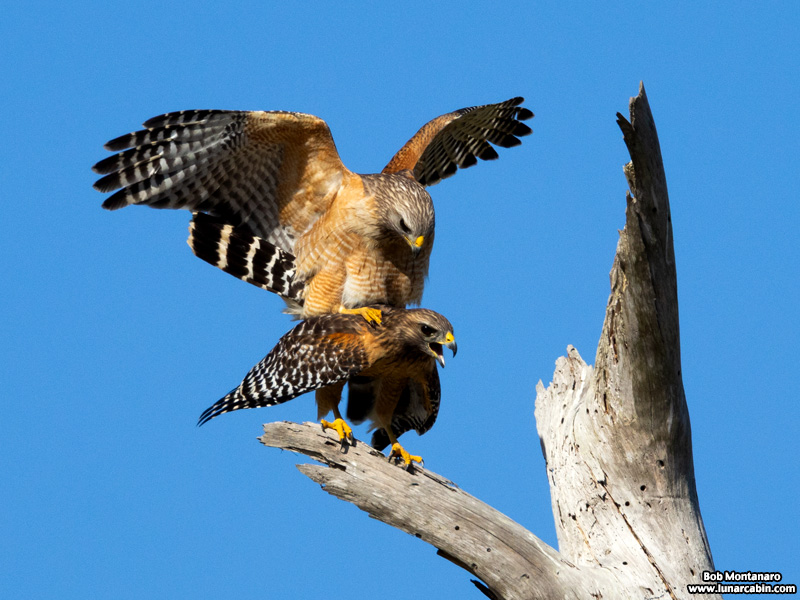
This is one of those unusual moments in birding when a bird’s sex can be accurately determined.
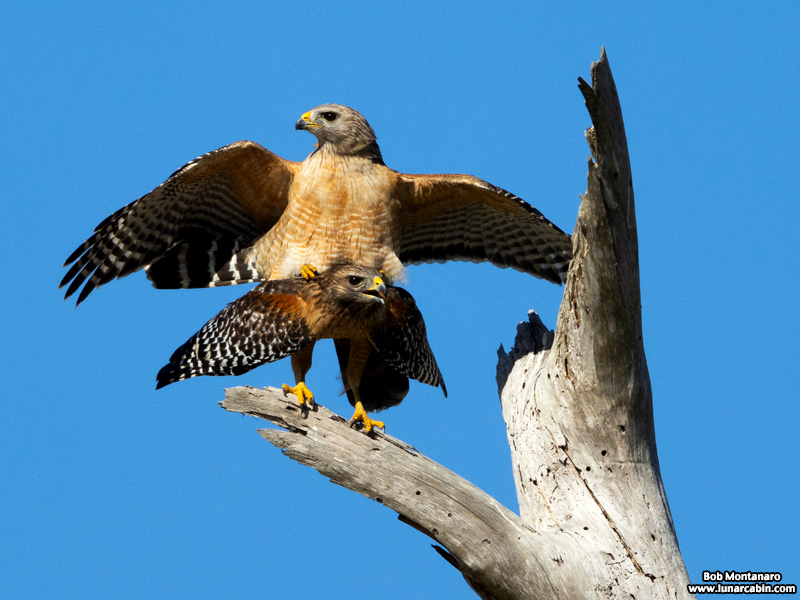
Florida has a year-round population of Red-shouldered Hawks.
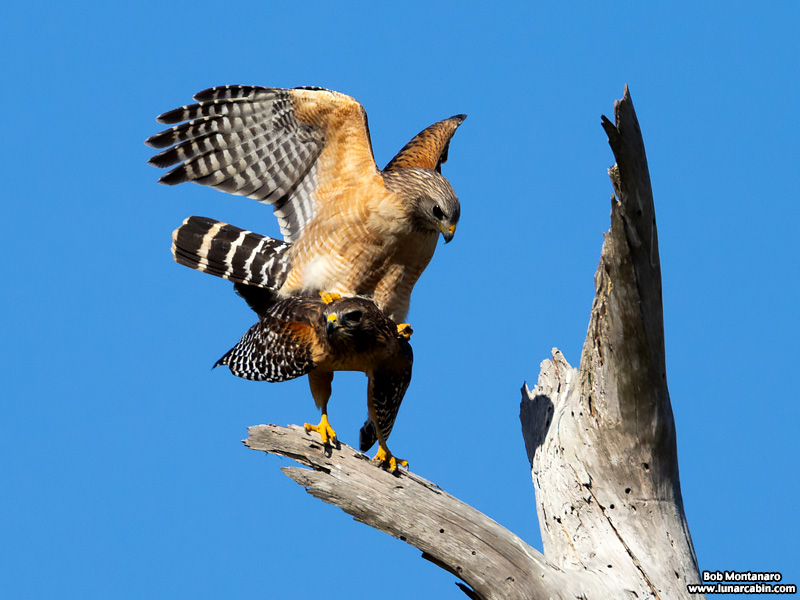
Pairs generally mate for life.
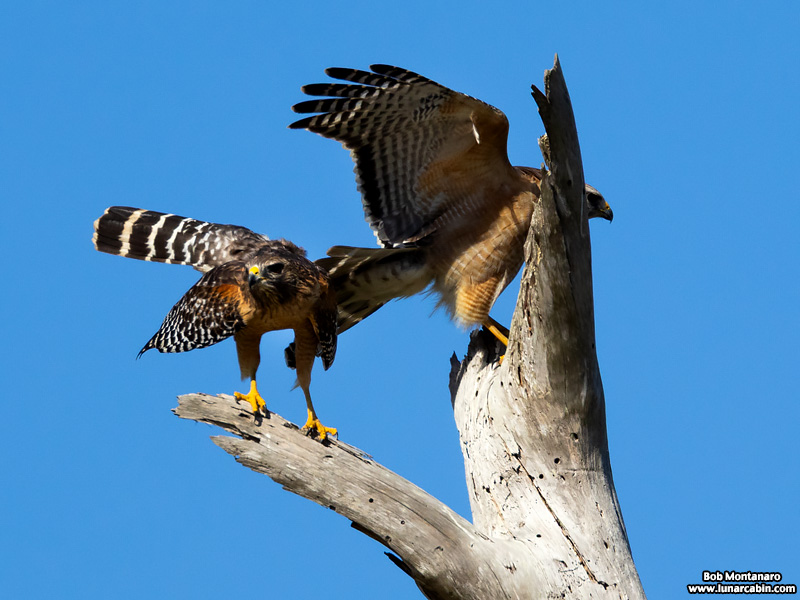
The Red-shouldered Hawk’s breeding season in Florida runs from January to May.
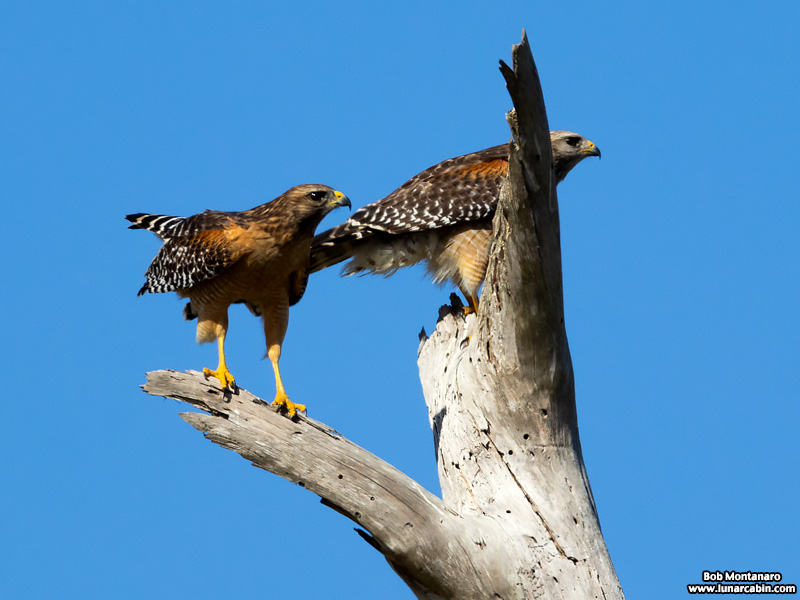
The pair did not stick around together very long.
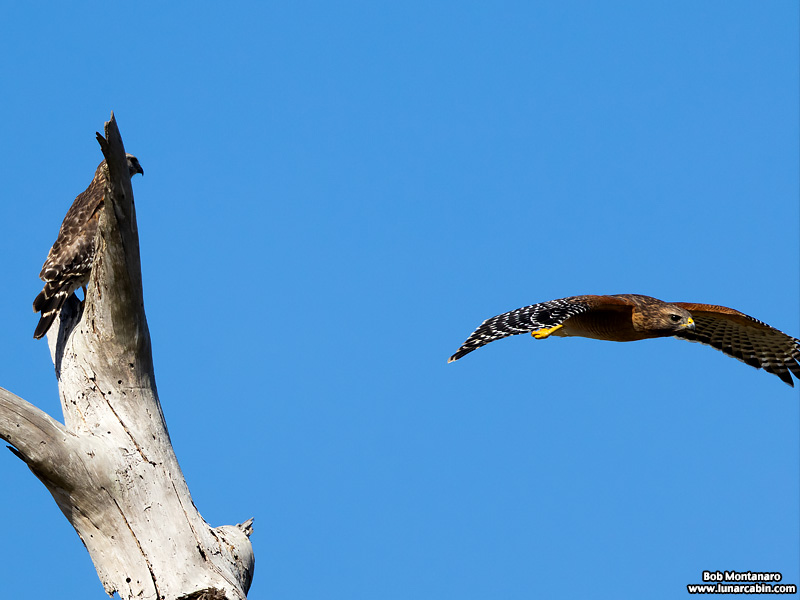
After a short wait, the female hawk took wing.
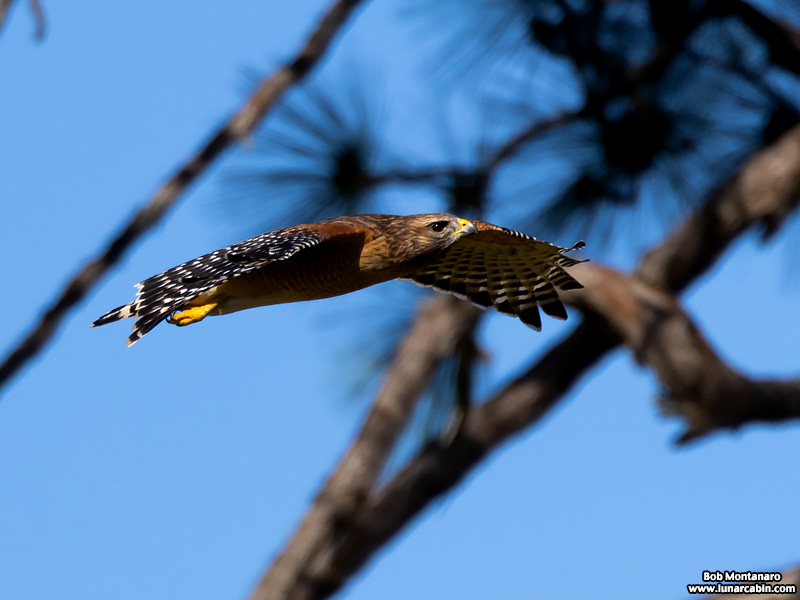
Heading for destinations unknown.
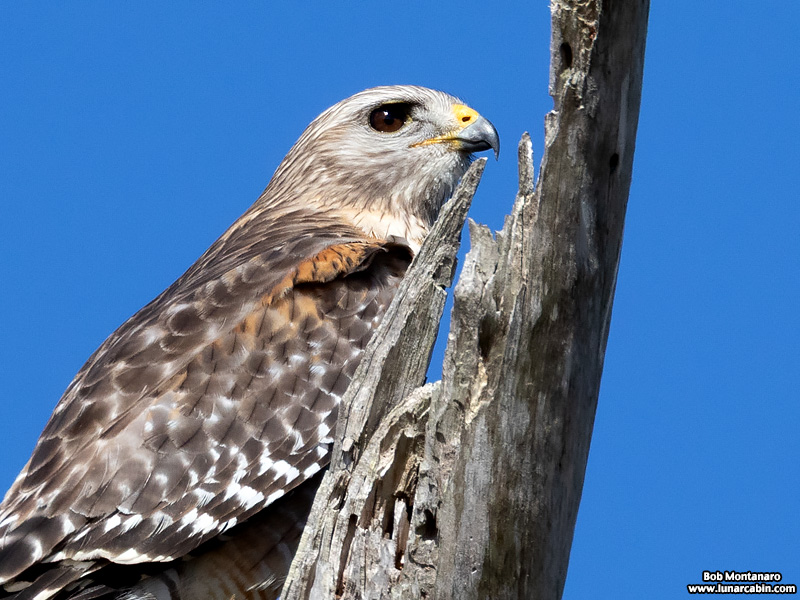
The male was not fazed by the noisy swamp buggy passing by.
If you are game for rising in the early morning hours to ride out into the wilderness in the dark, then consider going on one of the infrequent visits to see the RCWs at SSRPSP. It is an excellent opportunity to learn about Florida’s fascinating wildlife and their habitats from real experts.
Categories: Nature
 Range Tracking
Great shots. Bob
Richard
>