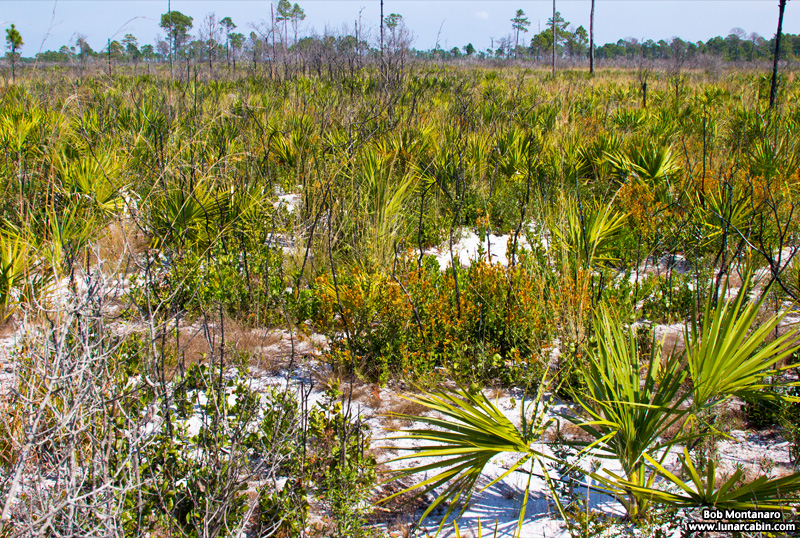
A small group of Oslo Riverfront Conservation Area (ORCA) volunteers paid a Sunday visit to the Archbold Biological Station near the exotically named town of Venus that lies up along the Lake Wales Ridge that runs down central Florida. Established in 1941, the Station owns 8,840-acres of relict sandy dunes, scrub habitat, pine flatwoods, and a small lake. The Station’s stated goal is to research “population ecology and conservation biology, emphasizing ecological changes over local and regional scales, and demographic shifts in ecologically sensitive species” with an emphasis on the Florida scrub. This first view is of the fire-dependent scrub and, yes, it was very hot out there. Much hotter than a day in late March should be.

The tour leader was Dr. Mark Deyrup, a research biologist at Archbold who specializes in insect ecology. Pictured clockwise from extreme left: Janice Broda, Karen Schuster, Dr. Deyrup, Diane LaRue, hidden behind her is Elaine, an Archbold volunteer, Don Schuster, Bob Bruce, and the kneeling gentleman is a retired entomologist who joined our group for the walk but I did not catch his name. In the background can be seen one of the Station’s buildings through the trees.
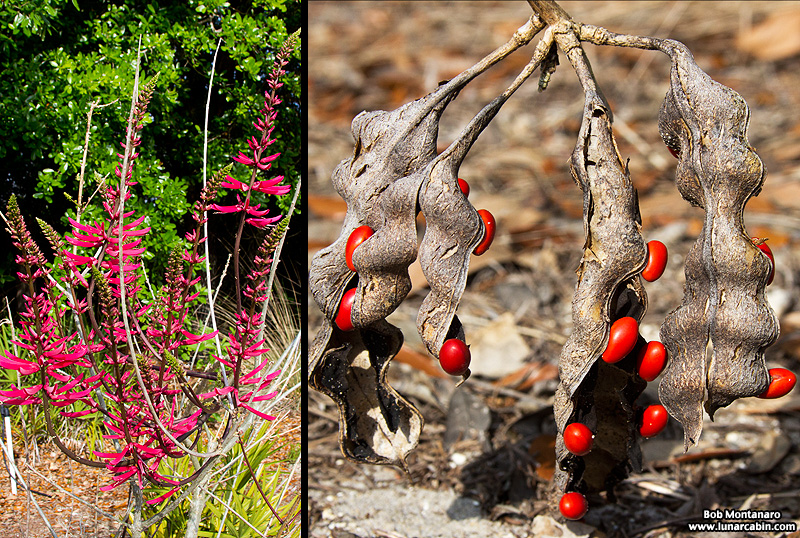
A striking Coral Bean (Erythrina herbacea) and a close-up of its bursting seed pods. The red seeds are dangerously poisonous.

As befitting the interests of the ORCA volunteers, this was meant as a plant walk and Dr. Deyrup did not disappoint in relating fascinating details about many of the hardy plants that survive in the harsh conditions of the scrub. I wish I had taken notes because I ended up with a lot of plant pictures and a big muddle of half-remembered information that I can’t recollect now goes with which plant — which explains why I don’t lead any plant walks!
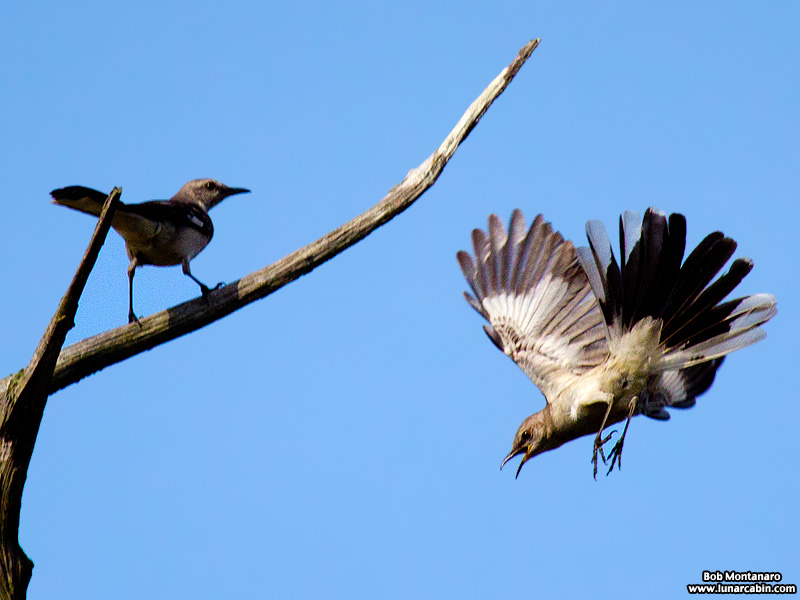
While we did not see any Florida Scrub-Jays, a species that Archbold has been famously studying for over 40 years now, we did see Northern Mockingbirds, including these two who seemed very annoyed with each other. Amazingly, the Mockingbirds live up to their names for they could imitate the call of the Florida Scrub-Jay almost to perfection, along with the Eastern Meadowlark.
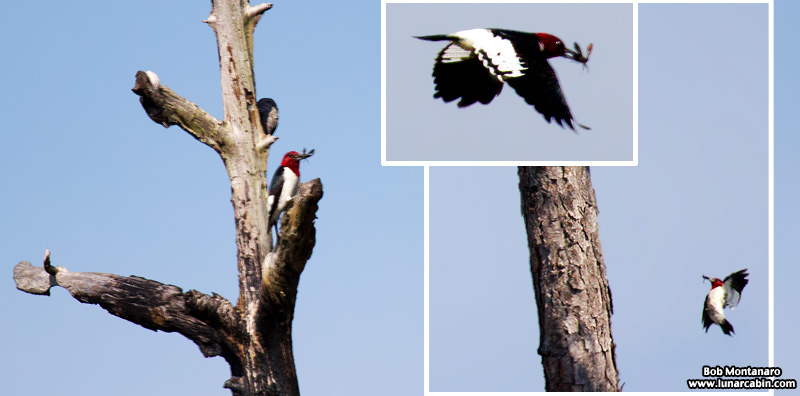
These photos are not very good, blurred by distance and the heat, but I am including them because they are of the Red-headed Woodpecker, a bird I have been waiting years to see. Our tantalizing glimpse of this one individual, my very first sighting, has now whetted my appetite to see more of them and, hopefully, from a closer distance. The bird was very successfully hunting the scrub for insects. The woodpecker can be seen carrying various insects in all three images.
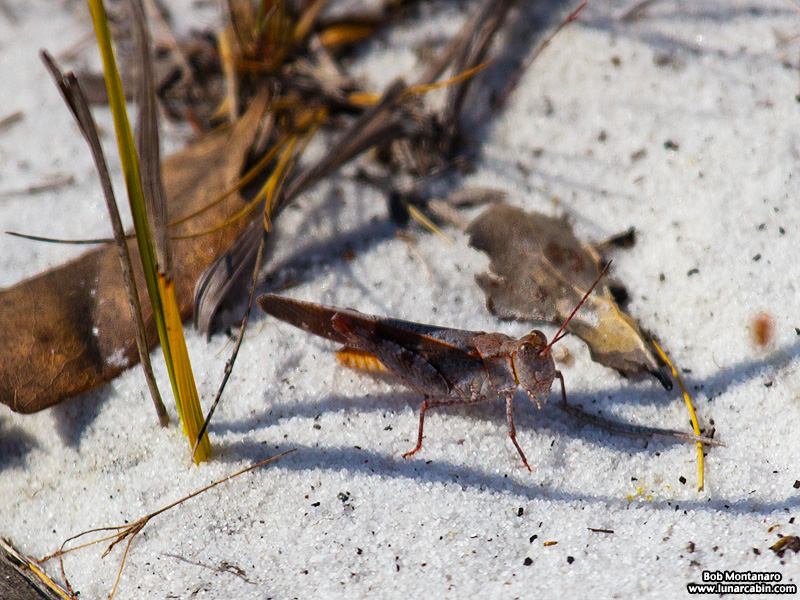
A grasshopper atop the sugar sand common to Florida scrub. Sugar sand is nutrient poor and water drains out of it rapidly meaning the plants that live in it must be truly hardy to survive.
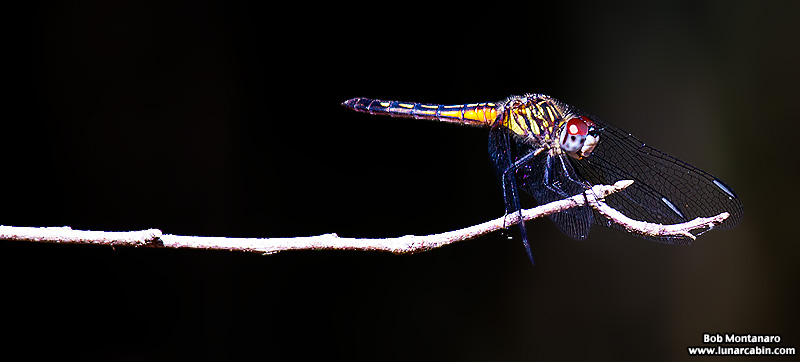
A Dragonfly out in the scrub.
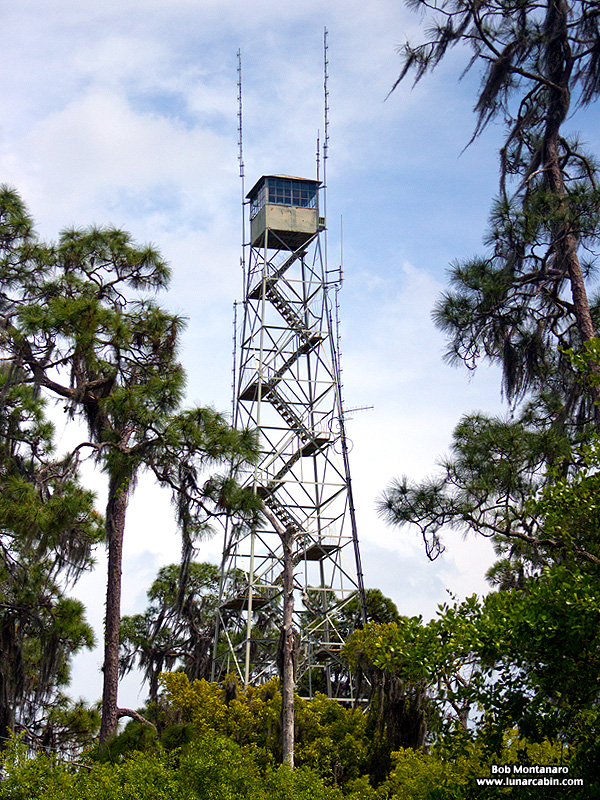
Modern cell phone antennas and other gadgets festoon the old fire tower atop Red Hill at Archbold Biological Station.
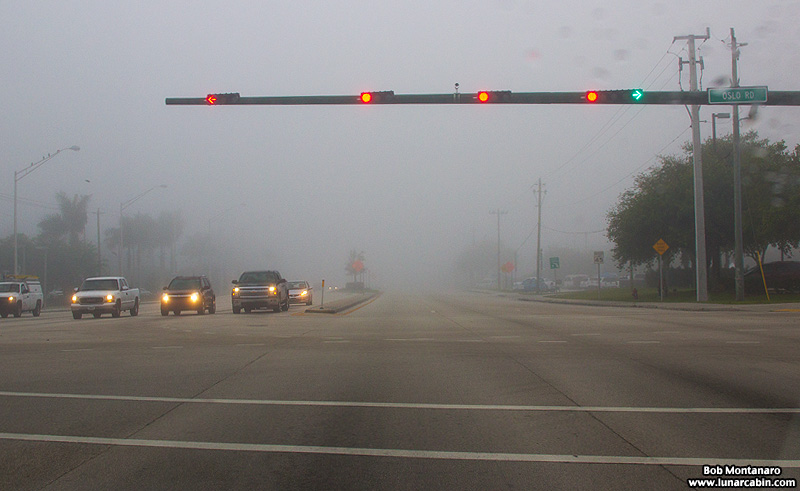
This view was taken in Vero Beach during our early morning start just to show the thick fog around sunrise that quickly burned off as the day progressed.
Categories: Nature
 Range Tracking
Reblogged this on Oslo Riverfront Conservation Area and commented:
Your Red-headed woodpecker photos are amazing – given how far away we were!
LOVE the pics…Thanks for sharing